

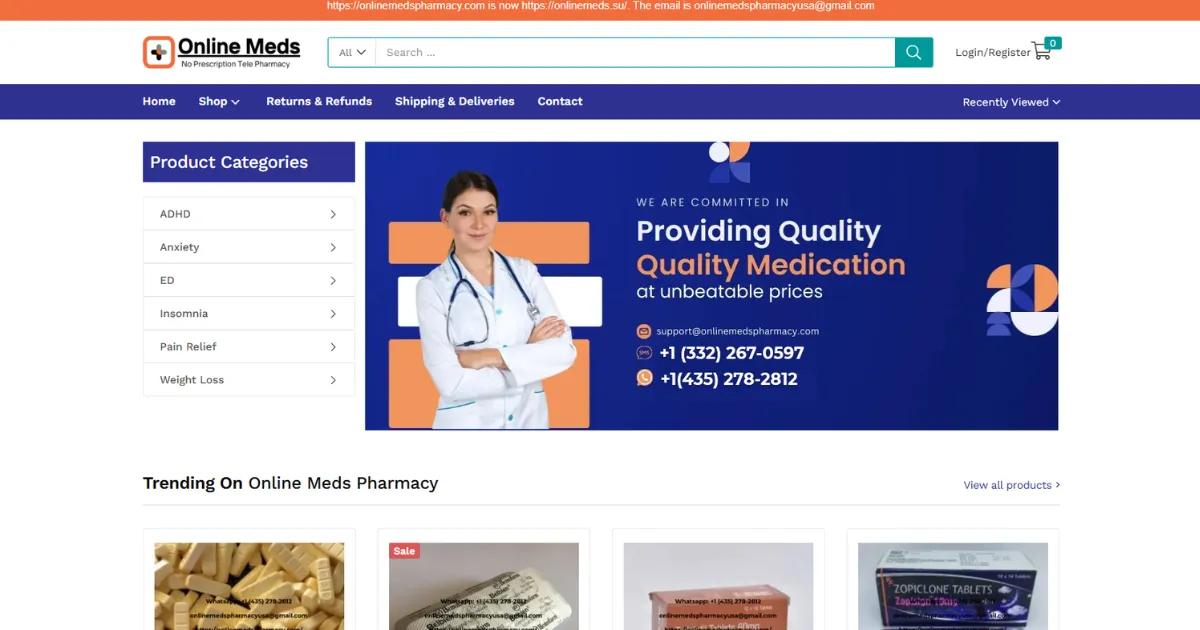
What Online Meds App USA Features Matter Most?
Over the past decade, I’ve seen the way Americans access medications transform completely. What used to mean waiting in long pharmacy lines, juggling paper prescriptions, and making multiple calls has now moved almost entirely to the digital space.
Online Meds USA apps aren’t just a convenience—they can make healthcare faster, safer, and more reliable when used correctly. But not all apps are created equal. I’ve seen patients assume that any app claiming “fast delivery” or “huge catalog” is automatically trustworthy, only to run into issues like delayed prescriptions, confusing refill schedules, or unclear drug information.
In my experience, the Online Meds apps that truly stand out are the ones designed with both safety and user convenience in mind. They go beyond flashy interfaces or promo codes and actually solve the everyday headaches people face: remembering refills, verifying prescriptions quickly, understanding drug interactions, and getting reliable delivery.
As someone who has worked hands-on with these apps testing workflows, helping users troubleshoot issues, and observing what trips people up I’ve learned that knowing which features actually matter can save users time, money, and stress.
Before you download the next “miracle meds app,” it’s crucial to understand the difference between features that are just marketing buzz versus those that impact your health, convenience, and security. In this guide, I’ll walk through the features that genuinely make a difference and show you how to evaluate them in real-world use.
Core Features Every Online Meds App Must Have
User Registration & Profile Management
First off, registration might seem like a minor step, but a clean, intuitive profile system is critical. I’ve seen users struggle with apps that require re-entering all personal and medical info each time, or apps that lock you out because of minor formatting issues. The best apps let you store multiple addresses, insurance info, allergies, and preferences securely. This is more than convenience it ensures your prescriptions are matched correctly and reduces the chance of errors when refills happen automatically.
Prescription Upload & E-Prescribing
This is the heart of any online meds app. Apps must support easy prescription uploads, whether by photo, PDF, or direct integration with your doctor’s system. Some apps go a step further, offering direct e-prescribing, which allows your doctor to send prescriptions straight to the pharmacy backend bypassing scans or manual entries. I’ve seen patients waste days waiting for verification in apps that don’t offer this. The smoother the prescription verification, the faster and safer your medication reaches you.
Medicine Catalog & Smart Search
A robust catalog isn’t just a long list of pills it’s an intelligent search system. I’ve tested apps where a simple brand/generic confusion caused users to order the wrong dose. The best apps allow searches by brand, generic name, dosage, and even condition, and show clear comparisons. This reduces mistakes and saves time. Features like filters for dosage forms, prices, and insurance coverage make a huge difference for everyday users.
Secure Payment Gateway
Security here is non-negotiable. Many apps offer multiple payment options cards, digital wallets, insurance copays but not all encrypt data correctly. I’ve personally seen accounts compromised on apps that lacked robust encryption. Always look for apps that use secure, tokenized payment methods and support two-factor authentication. This protects both your financial info and your medical data.
Convenience & User Experience Features
Real-Time Order Tracking
Waiting for medications is stressful. Apps that provide real-time tracking from pharmacy processing to courier delivery relieve that stress and prevent missed doses. I’ve observed that users who rely on notifications for every stage of delivery end up with fewer adherence issues because they can plan around actual arrival times.
Automatic Refill Reminders & Adherence Tools
Most patients I’ve worked with underestimate the importance of reminders. Apps with built-in refill notifications, dose reminders, and adherence tracking help prevent gaps in therapy. In practice, these features reduce accidental missed doses, which is crucial for chronic conditions like hypertension or diabetes.
Push Notifications & Alerts
Notifications for refill readiness, drug recalls, or prescription approvals might seem minor, but missing one can have real consequences. I’ve seen apps that send generic, non-actionable alerts frustrate users. The best apps provide clear, actionable notifications telling you exactly what to do and when.
Easy UI/UX & Accessibility
Even the best backend system fails if the interface is confusing. I’ve tested apps where tiny buttons, hidden menus, or poor labeling caused users to order wrong doses or skip important steps. Apps that prioritize clean navigation, large text, voice commands, and accessibility options make the process seamless for everyone, including older adults and people with disabilities.
Advanced Features that Add Value
Chat with Pharmacist / Expert Support
Direct access to a licensed pharmacist is a game-changer. In my experience, apps that integrate live chat reduce medication errors, clarify dosage questions, and give patients confidence. It’s especially valuable for complex prescriptions or drug interactions.
Price Comparison & Discounts
Price transparency is often overlooked. Apps that show multiple options, insurance coverage, and discount coupons help users make informed decisions. I’ve seen patients save hundreds per year just by using apps with built-in price comparisons.
Integration with Telehealth / Doctor Consultations
Some apps allow direct telehealth consultations, letting you get a prescription renewal without leaving the platform. This reduces delays, particularly for chronic medications. I’ve helped users avoid unnecessary clinic visits by using apps with this feature.
AI & Personalized Suggestions
AI recommendations can suggest dosage adjustments, refill schedules, or alternative generics. While not perfect, I’ve found that apps leveraging AI thoughtfully can catch potential issues before they happen, especially when paired with pharmacist oversight.
Compliance, Safety & Data Security
HIPAA & Privacy Protection
Any app storing medical data in the U.S. must comply with HIPAA. I’ve seen apps that claim to encrypt data but still expose sensitive info through poor coding practices. Always verify that your app explicitly follows HIPAA guidelines.
Regulatory & Pharmacy Compliance
The app should clearly indicate its licensed pharmacies and regulatory adherence. I’ve worked with patients who unknowingly ordered from unlicensed providers online never a good outcome. Compliance ensures that medications are authentic and dispensed legally.
Transparent Drug Info & Interaction Warnings
Apps must provide clear info on dosage, side effects, interactions, and contraindications. I’ve seen apps that hide these details behind layers of menus, increasing the risk of misuse. Real-world users benefit most when warnings are upfront and easy to understand.
Logistics & Delivery Features
Same-Day / Scheduled Delivery
Speed matters, especially for urgent medications. I’ve seen apps advertise “same-day delivery” but fail due to poor logistics. The best apps allow scheduling, track drivers in real time, and confirm delivery windows reliably.
Real-Time Inventory Updates
It’s frustrating to order a medication only to find it’s out of stock. Apps that sync with pharmacy inventories reduce this issue and prevent last-minute surprises.
Multi-Channel Support
Even if you prefer home delivery, having the option to pick up at a nearby pharmacy can save time in emergencies. I’ve noticed apps offering both options consistently score higher in user satisfaction.
Optional Emerging Features
Telepharmacy & Video Counseling
Some apps offer full video counseling with licensed pharmacists. This is more than a nice-to-have it replicates in-person guidance and helps prevent errors, especially with complex regimens.
Wearable & Device Integration
Integration with devices like glucose monitors or blood pressure cuffs allows apps to offer smarter adherence insights. For example, reminders based on real-time readings can improve outcomes.
AI Predictive Refills
Predictive refill suggestions use past usage patterns to anticipate needs. I’ve seen this prevent gaps in therapy for chronic patients, particularly those with irregular schedules.
Conclusion
In the real world, the apps that succeed aren’t the ones with the flashiest graphics they’re the ones that make medications easy, safe, and predictable. Core features like smooth prescription handling, secure payments, and real-time delivery are essential. Added conveniences like adherence tools, telepharmacy, and intelligent reminders elevate the experience. Most importantly, safety, regulatory compliance, and data privacy cannot be compromised. When evaluating an online meds app, I recommend focusing on how it functions in day-to-day life, not just its marketing promises. Features should save you time, reduce mistakes, and make taking your medications simpler and safer.
FAQS
How do I know if an online meds app is safe?
Safety is more than just a clean interface or a professional logo. In my experience, a genuinely safe online meds app will clearly display HIPAA compliance, use secure encryption for data, and work with licensed pharmacies. Some users mistakenly equate flashy design with safety, but the real proof is in transparency: the app should show its pharmacy licenses, privacy policies, and regulatory adherence in clear language. Another practical check is to see if the app offers verification of prescriptions with your doctor if they skip this, that’s a red flag. A safe app reduces risk not just for your personal data but also for the medications you receive.
It also helps to look at user reviews and any reported incidents. Apps with a history of misfilled prescriptions, data breaches, or delayed delivery should be approached cautiously. In my work, I’ve seen users avoid problems simply by verifying these compliance features before entering sensitive health information. When evaluating an app, think of safety as a multi-layered shield: privacy, regulatory compliance, and accurate prescription handling all matter equally.
Can I upload any prescription?
Most modern online meds apps allow you to upload prescriptions in multiple formats: photos, PDFs, or even directly through your doctor via e-prescribing. However, not all uploads are processed the same way. From my experience, apps that provide clear instructions on photo quality, required details, and verification steps are far more reliable than those that just let you “drop a photo.” A blurry or incomplete upload often leads to delays or outright rejection of your prescription, which can be frustrating if you’re trying to maintain a consistent medication schedule.
Another point to keep in mind is verification. Even if an app accepts any prescription format, it should still confirm with your prescriber or pharmacy system before processing. I’ve seen cases where skipping verification caused serious errors, including wrong dosages. So while most prescriptions are technically “uploadable,” the real question is whether the app actively ensures correctness. If you want fast, safe access to your meds, choose apps with both flexibility in uploading and a robust verification process.
What if my medication is out of stock?
Running into an out-of-stock medication can be surprisingly common, especially for high-demand or specialty drugs. Reliable apps minimize this problem by showing real-time inventory updates, so you know immediately if the medication is available before placing an order. I’ve observed that apps which provide alternative options like generic equivalents, nearby pharmacy pickups, or even scheduled restock alerts save users from last-minute scrambling. Without these features, you could end up waiting days for a refill, which is particularly risky for chronic conditions.
It’s also worth noting that some apps proactively notify users if a refill is likely to be delayed due to supply issues. In practice, this feature alone prevents many missed doses. From a practical standpoint, choosing an app with intelligent inventory management and timely alerts is one of the simplest ways to avoid disruptions in your medication routine.
Are refill reminders really effective?
Refill reminders aren’t just a convenience they can actually improve medication adherence significantly. In my experience helping patients use online meds apps, those who rely on automatic reminders miss far fewer doses than those who rely on memory alone. Apps that combine push notifications with calendar integration, daily reminders, or even personalized alerts for missed doses are the most effective. These reminders become crucial for people managing multiple prescriptions or chronic conditions like diabetes, hypertension, or mental health medications.
I’ve also seen apps that provide refill history and adherence tracking help users identify patterns of missed doses, which can be shared with pharmacists or doctors to improve treatment outcomes. While no system is perfect, consistent reminders reduce the chances of gaps in therapy, which in the real world can prevent serious complications. For anyone struggling to keep track of multiple medications, refill reminders are a feature that’s not just “nice to have” they’re essential.
How fast is delivery usually?
Delivery speed varies widely depending on your location, the app’s logistics partners, and whether same-day or scheduled delivery is offered. I’ve seen users assume that “next-day delivery” is standard everywhere, only to experience delays because the pharmacy is distant or inventory isn’t available locally. Apps that integrate live tracking and provide realistic delivery windows tend to be the most reliable. Knowing exactly when your medication will arrive reduces stress and helps maintain adherence.
Another point is flexibility. Apps that allow scheduling based on your convenience or that offer emergency pickups in urgent situations tend to make a noticeable difference in daily life. From my hands-on experience, it’s not just about speed; it’s about predictability. Reliable delivery with clear updates can prevent missed doses and ensures that patients can plan their day without constantly worrying about whether their medication has arrived.