

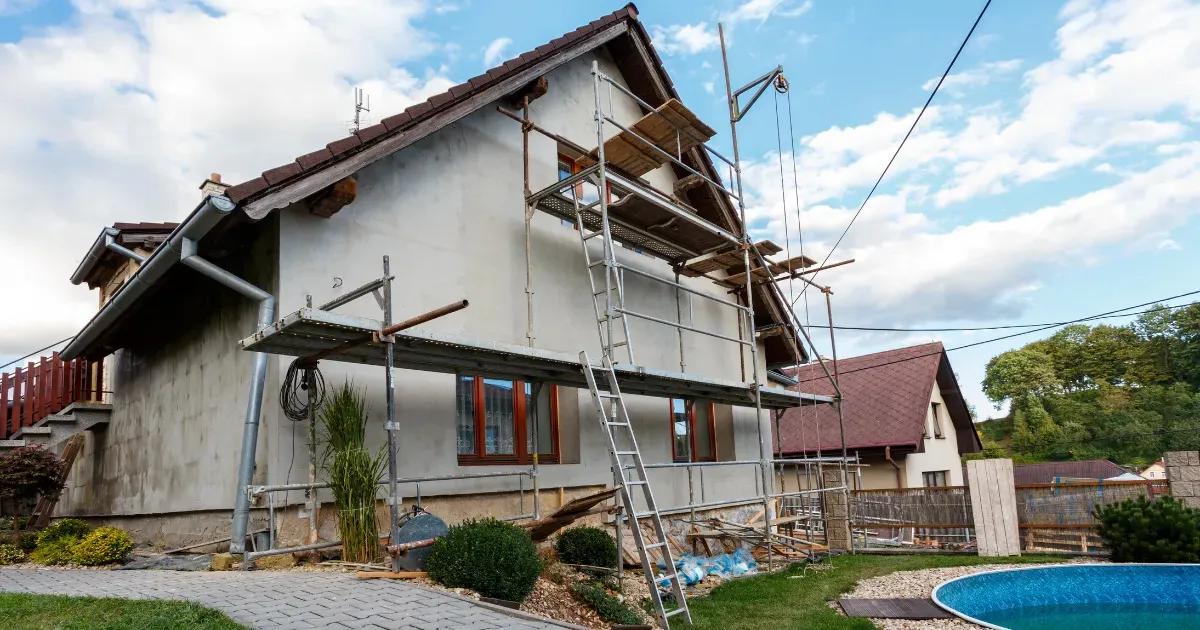
If you are planning a construction project, one of the first questions you will probably ask a General Contractor Omaha NE is, “How long will this take?”
The honest answer is that there is no single timeline for every project. A small bathroom renovation may take several weeks, while a General contractor near me managing a whole-home renovation, addition, commercial build-out, or new home can take several months or longer.
The schedule for a General contractor Omaha ne depends on project size, complexity, permits, material availability, subcontractor scheduling, inspections, weather, design decisions, and unexpected site conditions. Understanding these factors makes it easier to judge whether a proposed timeline is realistic.
How Long Does a General Contractor Project Usually Take in Omaha?
Small remodeling projects may take only a few weeks when the scope is straightforward and materials are readily available. A simple bathroom renovation, for example, can move quickly when plumbing stays in place and fixtures and finishes are selected early.
Medium-sized projects, such as kitchen renovations, basement finishing, or multi-room remodeling, generally take longer because several trades must work in sequence. Electrical, plumbing, HVAC, framing, drywall, flooring, cabinets, countertops, and finish work cannot always happen at the same time.
The important distinction is between an estimated project duration and a guaranteed completion date. A reputable Omaha general contractor should explain how the schedule was developed and what assumptions it depends on.
What Determines How Long a General Contractor Omaha NE Project Takes?
Project size is an obvious factor, but complexity can be just as important. Replacing finishes in one room is very different from moving walls, relocating plumbing, upgrading electrical systems, or making structural changes.
Permits and inspections can also affect the schedule. Depending on the work, certain construction activities may not continue until required approvals or inspections are completed.
Unexpected conditions are another common issue. Demolition may reveal hidden water damage, outdated wiring, structural problems, or unsuitable framing. These discoveries can require additional work and extend the timeline.
What Are the Main Phases of a General Contractor Project?
Initial Consultation and Site Assessment
The process normally starts with understanding the property, project goals, existing conditions, access, utilities, and possible limitations.
Planning, Design, and Estimating
Measurements, drawings, selections, pricing, and the project scope need to be developed before construction begins. Delayed decisions at this stage can create problems later.
Permits and Approvals
Some projects require permits and inspections. Plan reviews, corrections, and re-inspections can all influence the schedule.
Material Ordering
Materials should be selected and ordered early whenever possible. A project can lose valuable time if workers reach a phase that depends on a product that has not arrived.
Demolition and Construction
Demolition can reveal hidden conditions. After preparation, the project may move through framing and structural work, followed by plumbing, electrical, HVAC, insulation, and drywall.
Finishing Work
Cabinets, countertops, flooring, doors, trim, paint, fixtures, and hardware are installed during the finishing stages. Although a project may look nearly complete, these details can still require considerable coordination.
Inspections and Final Walkthrough
Final inspections, corrections, punch-list work, cleanup, testing, and the walkthrough may still remain after major installation is finished.
How Long Do Different Types of Projects Take?
A bathroom remodel can take several weeks depending on demolition, plumbing, electrical work, waterproofing, tile, fixtures, and inspections.
A kitchen remodel may take longer because cabinets, countertops, appliances, electrical, plumbing, flooring, and finishing work all need to line up. Cabinet and countertop lead times can be particularly important.
Home additions usually take substantially longer because they may involve planning, permits, excavation, foundation work, framing, roofing, utilities, and interior finishing.
New home construction involves almost every major construction phase, from site preparation through final completion. Commercial construction can vary significantly depending on the size of the space, building systems, existing conditions, and occupancy requirements.
What Can Delay a General Contractor Omaha NE Project?
Some delays are preventable, while others are simply part of construction.
Material backorders, inspection scheduling, subcontractor conflicts, weather, homeowner decisions, design changes, hidden property conditions, change orders, and site-access issues can all extend a project.
Good schedule management does not mean eliminating every delay. Instead, the contractor should explain what happened, what work is affected, how much time may be added, and whether other work can continue.
In my experience, communication makes a major difference. A delay is frustrating, but it becomes much easier to manage when everyone understands what caused it and what happens next.
Can You Make a General Contractor Project Finish Faster?
Homeowners can reduce many avoidable delays by making decisions early. Finalize the scope, select materials before they are needed, respond quickly to contractor questions, and avoid unnecessary design changes once construction has started.
It is also useful to discuss scheduling expectations before signing the contract. Ask about the construction sequence and which materials, inspections, or decisions could affect the completion date.
Trying to rush every phase is usually not the best approach. Some work requires proper curing, drying, inspections, or sequencing. A realistic schedule is more valuable than an artificially short schedule that falls apart once construction begins.
How Can I Tell If My General Contractor’s Timeline Is Realistic?
A credible schedule should explain more than just a start and finish date. It should identify major construction phases, material lead times, permit milestones, inspections, subcontractor sequencing, and expected completion.
Ask what assumptions the schedule depends on. Find out which materials must be selected before work starts and what happens if an inspection requires corrections.
A realistic contractor acknowledges uncertainty instead of pretending every construction day can be predicted perfectly.
What Should Be Included in Your Construction Contract Timeline?
Your contract should clearly describe the scope of work, expected start date, estimated completion, payment milestones, and procedures for changes to the original scope.
It should also address circumstances such as material delays, weather, inspections, and other conditions that could affect the schedule. If you are responsible for selecting fixtures, appliances, or finishes, those responsibilities should also be clear.
Remember that an estimated schedule and a guaranteed completion date are not necessarily the same thing. Read the contract carefully so you understand how delays and changes are handled.
How Should Homeowners Handle a Construction Delay?
Start by asking what caused the delay and how much additional time the contractor expects it to add. Also ask whether other parts of the project can continue while the delayed item is being resolved.
If the original timeline is materially affected, request an updated schedule. Review the contract and keep important decisions and schedule changes documented.
The goal should be to understand the problem before assuming blame. Clear communication often makes a difficult construction delay much easier to manage.
Conclusion
A General Contractor Omaha NE project can take anywhere from a few weeks to several months or longer. The actual duration depends on the project's size, complexity, permits, materials, subcontractors, inspections, weather, property conditions, and unexpected problems.
The best construction timeline is not one that predicts every day perfectly. It is a practical plan that understands the sequence of work, identifies likely obstacles, allows reasonable flexibility, and keeps communication clear.
Before hiring a general contractor, ask how the timeline was developed, what could cause delays, and which decisions you need to make before construction starts. That will give you a much better idea of what to expect.
FAQs
How long does a home renovation take with a general contractor?
The timeline depends on how much of the property is being changed. Renovating one room may take several weeks, while multiple rooms or an entire home can take several months.
Materials such as cabinets, countertops, flooring, fixtures, and appliances may have different lead times. Making selections early and keeping the project scope stable can help prevent unnecessary delays.
Can weather delay a construction project in Omaha?
Yes. Weather can affect outdoor work such as excavation, concrete, roofing, exterior construction, and deliveries. Snow, rain, freezing temperatures, and muddy conditions can make certain activities difficult or unsafe.
Depending on the project stage, a contractor may be able to move workers to interior tasks while waiting for better conditions. The actual impact depends on the type of construction and the flexibility of the schedule.
How long do permits take for construction projects in Omaha?
Permit timelines vary according to the type, size, and complexity of the project. A straightforward project may have a simpler process, while additions, structural changes, and major renovations may require more detailed plans and review.
Plan review, corrections, inspections, and re-inspections can all affect the schedule. Your contractor should explain which permitting steps are expected and how they fit into the construction timeline.
What causes a general contractor project to take longer than expected?
Common causes include material backorders, weather, permit or inspection issues, subcontractor scheduling, homeowner decision delays, design changes, hidden structural problems, and change orders.
What matters is how the delay is handled. A responsible general contractor should explain the cause, its effect on the schedule, what work can continue, and the updated expected completion date.
Can I speed up my construction project?
You can reduce avoidable delays by making decisions early, selecting materials before they are needed, keeping the scope stable, and responding promptly when the contractor needs information or approvals.
However, rushing construction is not always beneficial. Some activities require proper sequencing, inspections, drying, curing, or quality checks. A realistic schedule with reasonable flexibility is usually better than an artificially short timeline.